Leeds FC isn’t just another football club—it’s a legacy wrapped in passion, pain, and glory. From roaring crowds at Elland Road to dramatic promotions and heartbreaking relegations, the story of Leeds FC is one of resilience, identity, and relentless ambition.
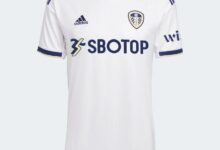
The Origins and Evolution of Leeds FC

Understanding Leeds FC means diving into its roots, tracing back to the late 19th century. The club’s journey from a modest rugby outfit to one of England’s most iconic football institutions is nothing short of remarkable. Its evolution reflects broader shifts in English football culture, community identity, and sporting ambition.
From LNRFC to Leeds City: The Early Years
Before Leeds FC existed in its current form, the city had a rugby club known as Leeds North Rugby Football Club (LNRFC), established in 1885. As football gained popularity across England, the transition from rugby to association football became inevitable. In 1904, after the collapse of Leeds City FC—a professional club expelled from the Football League due to financial irregularities—the opportunity arose for a new club to rise from the ashes.
The Football League granted permission for a new team to be formed, and on October 17, 1919, Leeds United Football Club was officially born. Despite not being called “Leeds FC” officially, the club is widely referred to colloquially as Leeds FC, especially in media and fan circles. This nickname has stuck over decades, symbolizing both familiarity and affection among supporters.
- Leeds United was formed in 1919 after the disbandment of Leeds City FC.
- The club joined the Football League’s Second Division in 1920.
- Early home games were played at Elland Road, which remains their stadium today.
The Birth of a Football Identity
In its early years, Leeds FC struggled to establish itself competitively. They spent over two decades in the Second Division before finally earning promotion to the First Division in 1947 under manager Major Frank Buckley. However, it wasn’t until the appointment of Don Revie in 1961 that the club began to forge a true footballing identity.
Revie transformed Leeds FC from a mid-table side into a dominant force, instilling discipline, tactical rigor, and a winning mentality. His influence laid the foundation for what would become one of the most feared teams in English football history. The club’s white kits, aggressive style, and fierce loyalty to local talent became hallmarks of the Leeds FC brand.
“We didn’t set out to be villains. We set out to win. And sometimes, winning makes you unpopular.” — Billy Bremner, Leeds FC legend
Golden Era: The Dominance of Don Revie
No discussion about Leeds FC is complete without highlighting the golden era under Don Revie. Between the mid-1960s and mid-1970s, Leeds FC became synonymous with excellence, controversy, and sheer determination. This period defined the club’s legacy and cemented its place in football history.
Building a Championship-Winning Machine
When Don Revie took charge in 1961, Leeds FC had just been relegated to the Second Division. Revie, a former player with Manchester City and England, brought a methodical approach to management. He emphasized fitness, organization, and psychological preparation—concepts that were ahead of their time.
By 1964, he had guided Leeds FC back to the First Division. Over the next decade, the team became a powerhouse, winning two First Division titles (1968–69, 1973–74), one FA Cup (1972), one League Cup (1968), and two Inter-Cities Fairs Cups (1968, 1971). These achievements marked the peak of Leeds FC’s domestic and European influence.
- First Division Titles: 1968–69, 1973–74
- FA Cup: 1972
- League Cup: 1968
- Inter-Cities Fairs Cup: 1968, 1971
Key Players of the Revie Era
The success of Leeds FC during this period was driven by a core group of exceptional players who became legends. Billy Bremner, the fiery captain, embodied the spirit of the team with his tenacity and leadership. Jack Charlton, towering at center-back, provided defensive solidity, while his brother Bobby Charlton (though playing for Manchester United) often faced him in high-stakes matches.
Other icons included Johnny Giles, a midfield maestro; Norman Hunter, known for his tough tackling; and Eddie Gray, whose electrifying pace on the wing terrified defenders. The synergy between these players, combined with Revie’s man-management, created a near-unstoppable unit.
For more on this legendary squad, visit the official Leeds United website, which preserves historical archives and player profiles.
Leeds FC and the European Stage
While Leeds FC achieved tremendous success domestically, their performances in European competitions added another layer to their reputation. Though they never won the European Cup, their campaigns in the 1960s and 1970s showcased their quality and fighting spirit on the continental stage.
Inter-Cities Fairs Cup Triumphs
The Inter-Cities Fairs Cup, a precursor to the UEFA Cup (now Europa League), was where Leeds FC first made their mark internationally. They won the tournament twice—in 1968 and 1971—demonstrating consistency against top European clubs.
The 1968 victory was particularly historic. Leeds FC defeated Ferencváros of Hungary in the final, winning 1–0 at Elland Road after a 0–0 draw in Budapest. This triumph marked the club’s first major European honor and signaled their arrival as a force beyond English borders.
- 1968: Defeated Ferencváros (1–0 agg)
- 1971: Beat Juventus in a two-leg final (3–3 agg, won on away goals)
- Reached the European Cup final in 1975, losing to Bayern Munich
The Controversial 1975 European Cup Final
The 1975 European Cup Final against Bayern Munich in Paris remains one of the most controversial moments in Leeds FC history. Despite dominating much of the game, Leeds lost 2–0 amid allegations of biased refereeing and poor officiating. Fans and players alike felt robbed of a fair chance at glory.
Two goals were disallowed for Leeds, and several harsh decisions went against them. The aftermath saw protests, bans, and long-standing resentment toward UEFA. To this day, many supporters refer to this match as “the stolen final.”
“We were the best team on the pitch. The referee didn’t see it that way. History remembers Bayern, but we know the truth.” — Peter Lorimer, Leeds FC record goalscorer
For deeper insight into this infamous match, check out UEFA’s historical match report here.
The Fall and Rebirth: Financial Crisis and Relegation
After the glory years, Leeds FC entered a period of decline that culminated in financial collapse and relegation. Once a model of stability and ambition, the club became a cautionary tale of mismanagement, over-spending, and unsustainable growth.
The David O’Leary Era and Overextension
In the late 1990s and early 2000s, under manager David O’Leary, Leeds FC experienced a brief resurgence. The team reached the UEFA Champions League semi-finals in 2001, defeating giants like AC Milan and Lazio along the way. This run brought global attention and significant revenue.
However, the club made the fatal mistake of reinvesting future earnings into player transfers and wages, assuming continued European success. When results dipped and qualification dried up, the financial model collapsed. Massive debts accumulated, leading to the sale of star players like Rio Ferdinand, Alan Smith, and Harry Kewell.
- UEFA Champions League semi-finalists: 2000–01
- Accumulated over £100 million in debt by 2004
- Forced to sell key players to balance books
Relegation and Administration
In 2004, Leeds FC was relegated from the Premier League for the first time in over a decade. The fall was swift and painful. The following year, the club entered administration, resulting in a 10-point deduction. This plunged them into League One (the third tier) by 2007—a historic low for a club of their stature.
The administration period saw fan protests, ownership changes, and a struggle to maintain morale. However, it also sparked a grassroots movement of support, with loyal fans rallying behind the club through initiatives like the Leeds United Supporters’ Trust.
Marcelo Bielsa and the Road Back to the Premier League
If the Revie era defined Leeds FC’s golden age, the Marcelo Bielsa chapter represented its phoenix-like rebirth. Appointed in 2018, the Argentine manager brought a revolutionary style of play, intense discipline, and an almost spiritual connection with the fans.
Bielsa’s Philosophy: ‘Lucha Continua’
Bielsa, known globally for his unorthodox methods and deep tactical knowledge, transformed Leeds FC’s playing style. He implemented a high-pressing, fast-transition system that became known as “Bielsa-ball.” The team played with relentless energy, often dominating possession and pressing opponents into mistakes.
The phrase ‘Lucha Continua’ (the fight continues) became a mantra for the club and its supporters. It symbolized perseverance through adversity and belief in a brighter future. Bielsa’s influence extended beyond tactics—he restored pride, professionalism, and identity to Leeds FC.
- Introduced a data-driven, high-intensity playing style
- Conducted detailed opposition analysis, even visiting lower-league clubs to scout
- Became a cult figure among fans for his humility and dedication
Promotion in 2020: Ending the 16-Year Wait
After 16 years outside the Premier League, Leeds FC secured promotion in 2020 by winning the EFL Championship. They finished first with 93 points, playing an exhilarating brand of football that earned praise across Europe.
The climax came in July 2020, when a 4–0 win over Charlton Athletic confirmed their return to the top flight. Players, staff, and fans celebrated a historic achievement, marking the end of a long exile. Bielsa was hailed as a savior, and Elland Road roared back to life.
Read more about this emotional promotion on the BBC Sport coverage of the 2019–20 EFL Championship season.
Leeds FC’s Rivalries and Cultural Impact
Rivalries define football clubs, and Leeds FC is no exception. Their relationships with other teams reflect regional tensions, historical clashes, and moments of intense drama. These rivalries have shaped the club’s culture and fan identity.
Yorkshire Derby: Leeds FC vs. Sheffield United
The most significant rivalry for Leeds FC is with Sheffield United, known as the Yorkshire derby. Matches between the two are charged with regional pride, industrial history, and competitive fire. While not always consistent due to fluctuating league placements, the fixture remains emotionally charged.
Historically, the rivalry intensified during the 1960s and 1970s when both teams were top-flight contenders. Clashes were often physical and fiercely contested, embodying the grit of northern English football.
The Manchester United Feud
Though not geographically close, Leeds FC shares a deep-seated rivalry with Manchester United. This stems from the Revie era, when Leeds challenged United’s dominance. The mutual dislike was fueled by on-pitch clashes, managerial tensions, and cultural differences—Leeds seen as gritty and rebellious, United as corporate and glamorous.
In recent years, the rivalry has reignited, especially during Premier League encounters. The 2020–21 match at Old Trafford, where Leeds won 6–2, was a symbolic moment of resurgence.
- Leeds FC and Manchester United both claim to represent the North of England
- Rivalry intensified under Don Revie and Sir Matt Busby
- Fans often view the fixture as more than just a game—it’s about identity
Elland Road: The Heartbeat of Leeds FC
Elland Road is more than a stadium—it’s the soul of Leeds FC. Located in the Beeston area of south Leeds, it has been the club’s home since 1919. With a capacity of over 37,000, it’s one of the most atmospheric grounds in England.
History and Architecture
Originally built for rugby, Elland Road was adapted for football and expanded over the decades. The stadium features four distinct stands: the West Stand (Main Stand), East Stand (Family Stand), South Stand (South East Corner), and North Stand (Kop).
The Kop, in particular, is legendary for its noise and passion. It’s where the most vocal supporters gather, creating an intimidating environment for visiting teams. The club has plans for redevelopment to increase capacity and modernize facilities, ensuring Elland Road remains a 21st-century fortress.
Fan Culture and Matchday Experience
Leeds FC fans are renowned for their loyalty and vocal support. Chants like “Marching On Together” echo through Elland Road, uniting generations of supporters. The club’s anthem, performed before every match, encapsulates the emotional bond between the team and its people.
Matchdays are a blend of tradition and modernity—scarves waving, flares lit (where permitted), and a sea of white filling the stands. The fan culture is deeply rooted in working-class identity, resilience, and pride in local heritage.
“When you hear 37,000 people singing in unison, you understand why football is more than a game.” — Marcelo Bielsa
Leeds FC in the Modern Era: Challenges and Ambitions
Since returning to the Premier League, Leeds FC has faced the challenge of consolidation. The 2020–21 season was a success, finishing 9th under Bielsa. However, subsequent seasons brought struggles, culminating in relegation in 2023.
Post-Bielsa Transition and Rebuilding
After Bielsa’s departure in 2022, Leeds FC entered a transitional phase. Managers like Jesse Marsch and Javi Gracia failed to replicate the Argentine’s impact. The team struggled with consistency, defensive fragility, and adapting to the Premier League’s pace.
Relegation in 2023 was a blow, but the club remains determined to return. Under new ownership and management, Leeds FC is focusing on youth development, smart recruitment, and financial sustainability.
Ownership and Future Vision
Leeds FC is currently owned by 49ers Enterprises, a consortium linked to the NFL’s San Francisco 49ers. This partnership brings stability, investment, and access to cutting-edge sports science and analytics.
The long-term vision includes sustainable growth, academy development, and a return to the Premier League. The club is also investing in community programs and stadium upgrades to strengthen its bond with the city.
- 49ers Enterprises acquired a majority stake in 2018
- Focus on data analytics and modern football infrastructure
- Commitment to youth academy and local talent
Explore the ownership structure further on the official Leeds United site.
What is the history behind the name ‘Leeds FC’?
Although the official name is Leeds United, fans and media often use ‘Leeds FC’ as a shorthand. The term became popular in the 1960s and reflects a more casual, affectionate way of referring to the club. It’s not an official rebranding but a cultural nickname embraced by supporters worldwide.
When did Leeds FC last win a major trophy?
Leeds FC’s last major trophy was the Football League Cup in 1992. Since then, despite near-misses and strong campaigns, they have not lifted a top-tier domestic or European cup. Fans continue to hope for a return to silverware in the coming years.
Why is Marcelo Bielsa so revered by Leeds FC fans?
Marcelo Bielsa is revered because he restored pride, identity, and competitive spirit to Leeds FC. His high-intensity football, personal integrity, and emotional connection with the city made him a legendary figure. He led the team back to the Premier League after 16 years, cementing his status as a modern-day icon.
What are Leeds FC’s biggest rivalries?
Leeds FC’s primary rivalries are with Sheffield United (the Yorkshire derby) and Manchester United. There is also a competitive edge with local clubs like Huddersfield Town and historical friction with Chelsea and Arsenal due to past encounters.
Is Elland Road being redeveloped?
Yes, there are ongoing plans to redevelop Elland Road, including expanding capacity, improving facilities, and enhancing the fan experience. The club aims to modernize the stadium while preserving its historic character.
Leeds FC’s story is one of triumph, tragedy, and tenacity. From the glory days under Don Revie to the financial meltdown of the 2000s and the emotional resurgence under Marcelo Bielsa, the club has weathered every storm. Its identity is rooted in passion, resilience, and an unbreakable bond with its supporters. As Leeds FC looks to the future, the dream of reclaiming past glories remains alive. Whether in the Championship or the Premier League, one thing is certain: the fight continues.
Further Reading:
