Want to turn your website into a lead-generating machine? Discover how leadsonline can transform your digital strategy with proven tactics, real-world tools, and expert insights—all in one powerful guide.


What Is leadsonline and Why It Matters

The term leadsonline has gained traction across digital marketing circles, especially among businesses focused on lead generation, customer acquisition, and sales funnel optimization. While it might sound like a generic phrase, “leadsonline” actually represents a growing ecosystem of platforms, tools, and strategies designed to help businesses capture, manage, and convert online leads efficiently.
Defining leadsonline in Modern Marketing
In today’s hyper-competitive digital landscape, generating high-quality leads is the lifeblood of any successful business. The concept of leadsonline encapsulates all activities, technologies, and platforms involved in attracting potential customers through online channels. This includes everything from landing pages and lead magnets to CRM integrations and automated follow-ups.
- Leadsonline refers to the digital process of identifying, capturing, and nurturing potential customers.
- It leverages tools like web forms, chatbots, email sequences, and analytics dashboards.
- The goal is to convert anonymous visitors into identifiable, trackable prospects.
“Lead generation isn’t about getting more names—it’s about getting the right names at the right time.” — Marketing Expert, Neil Patel
How leadsonline Differs From Traditional Lead Generation
Traditional lead generation often relied on cold calling, print ads, trade shows, or direct mail. While these methods still have value, they lack the scalability, precision, and real-time analytics that leadsonline offers.
- Speed: Online leads can be captured instantly, unlike manual collection methods.
- Targeting: Digital tools allow for behavioral and demographic targeting using data analytics.
- Automation: Follow-ups, scoring, and segmentation can be automated using AI-driven platforms.
Platforms like HubSpot and Marketo exemplify the evolution of leadsonline systems, offering end-to-end solutions for capturing and nurturing leads.
Top Platforms Powering leadsonline Success
Not all lead generation tools are created equal. The most effective leadsonline strategies rely on robust platforms that integrate seamlessly with websites, CRMs, and marketing automation systems. Below are some of the top platforms driving results in 2024.
HubSpot: The All-in-One leadsonline Solution
HubSpot remains one of the most popular platforms for businesses aiming to master leadsonline strategies. Its strength lies in its integration of CRM, marketing, sales, and service tools under one roof.
- Offers customizable landing pages and pop-up forms for lead capture.
- Provides lead scoring based on engagement levels (email opens, page visits, etc.).
- Integrates with over 500 third-party apps, including WordPress and Shopify.
For companies serious about scaling their leadsonline efforts, HubSpot’s free tier offers a solid starting point, while its enterprise plans deliver advanced analytics and AI-powered recommendations.
Leadpages: Rapid Conversion with Minimal Coding
If speed and simplicity are priorities, Leadpages is a go-to tool for creating high-converting landing pages without needing a developer.
- Drag-and-drop builder allows non-technical users to design professional pages.
- Includes built-in A/B testing to optimize conversion rates.
- Syncs with email marketing platforms like Mailchimp and ActiveCampaign.
“A well-designed landing page can increase conversions by up to 300%.” — ConversionXL Research
Unbounce: AI-Driven leadsonline Optimization
Unbounce takes leadsonline optimization a step further with its Smart Traffic feature, which uses AI to route visitors to the landing page variant most likely to convert them.
- Smart Builder enables responsive design across devices.
- Dynamic Text Replacement personalizes headlines based on visitor data.
- Integrates with Google Analytics and Facebook Pixel for tracking performance.
For marketers focused on maximizing ROI from paid ads, Unbounce’s ability to auto-optimize landing pages makes it a powerful ally in any leadsonline strategy.
How leadsonline Integrates With CRM Systems
One of the most critical aspects of a successful leadsonline operation is seamless integration with Customer Relationship Management (CRM) systems. Without this link, leads can fall through the cracks, resulting in missed opportunities and wasted ad spend.
The Role of CRM in leadsonline Workflows
A CRM acts as the central nervous system of your leadsonline strategy. It stores lead data, tracks interactions, and enables personalized follow-ups. When integrated properly, it ensures that every lead captured online is nurtured effectively.
- Automatically logs new leads from web forms, chats, or social media.
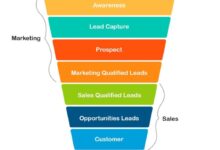
- Tracks lead lifecycle stages: visitor → lead → prospect → customer.
- Enables sales teams to prioritize high-intent leads based on behavior.
For example, when a user fills out a form on a leadsonline landing page, the CRM can trigger an automated email sequence, assign the lead to a sales rep, and schedule a follow-up call—all without manual intervention.
Top CRM Integrations for leadsonline Platforms
Most modern leadsonline tools offer native or API-based integrations with major CRM platforms. Here are the most common and effective pairings:
- HubSpot CRM + HubSpot Marketing Hub: Fully unified system with no sync delays.
- Salesforce + Pardot: Ideal for enterprise-level B2B leadsonline campaigns.
- Zoho CRM + Zoho Forms: Cost-effective solution for small businesses.
- ActiveCampaign + WordPress: Great for e-commerce and service-based businesses.
These integrations ensure that lead data flows smoothly from acquisition to nurturing to closing, minimizing friction and maximizing conversion rates.
Best Practices for Maximizing leadsonline Conversions
Generating leads online isn’t just about having the right tools—it’s about using them strategically. Even the most advanced leadsonline platform will underperform if basic optimization principles are ignored.
Create Irresistible Lead Magnets
A lead magnet is the incentive you offer in exchange for a visitor’s contact information. In the world of leadsonline, the quality of your lead magnet directly impacts conversion rates.
- E-books, checklists, templates, and free trials are proven performers.
- Ensure the content solves a specific, urgent problem for your audience.
- Keep it concise and actionable—visitors want immediate value.
For instance, a SaaS company targeting HR managers might offer a “Free Employee Onboarding Checklist” as a lead magnet. This not only attracts qualified leads but also positions the brand as an authority.
Optimize Landing Pages for Speed and Clarity
Your landing page is the front door of your leadsonline funnel. If it’s slow, cluttered, or confusing, visitors will leave before converting.
- Load time should be under 2 seconds; use tools like Google PageSpeed Insights to test.
- Use clear headlines that state the benefit (e.g., “Get Your Free SEO Audit Now”).
- Minimize form fields—only ask for essential information (name and email often suffice).
“Every additional field on a form can reduce conversions by up to 25%.” — HubSpot Conversion Report
Leverage Social Proof and Trust Signals
In the digital age, trust is earned, not assumed. To boost leadsonline conversions, incorporate elements that build credibility.
- Customer testimonials and case studies show real-world results.
- Trust badges (SSL seals, payment logos) reassure visitors their data is safe.
- Displaying the number of downloads or subscribers adds social proof.
For example, adding a line like “Over 10,000 marketers have downloaded this guide” can significantly increase perceived value and trust.
Advanced leadsonline Strategies Using AI and Automation
As technology evolves, so do the capabilities of leadsonline systems. Artificial Intelligence (AI) and automation are now at the forefront of next-generation lead generation, enabling businesses to scale smarter, not harder.
AI-Powered Chatbots for Instant Engagement
Chatbots have become indispensable in modern leadsonline strategies. They engage visitors in real time, answer common questions, and even qualify leads before handing them off to sales teams.
- Tools like Intercom and Drift offer AI-driven conversational experiences.
- Chatbots can qualify leads by asking targeted questions (e.g., “What’s your monthly ad budget?”).
- They reduce response time from hours to seconds, increasing conversion chances.
According to a study by Drift, companies using chatbots see up to a 40% increase in qualified leads.
Behavioral Trigger Emails in leadsonline Funnels
Automation goes beyond simple welcome emails. Advanced leadsonline systems use behavioral triggers to send hyper-relevant messages based on user actions.
- If a lead downloads a pricing guide, they might receive a follow-up email with a demo offer.
- Abandoned form completions can trigger reminder emails with incentives.
- Website re-visits can activate retargeting ads or personalized pop-ups.
Platforms like Klaviyo and Omnisend excel in this area, especially for e-commerce brands running leadsonline campaigns.
Predictive Lead Scoring With Machine Learning
Not all leads are created equal. Predictive lead scoring uses machine learning algorithms to analyze historical data and predict which leads are most likely to convert.
- Factors include page visits, email engagement, company size, and job title.
- Tools like Salesforce Einstein and InsideSales offer built-in predictive analytics.
- Sales teams can focus on high-probability leads, improving close rates and efficiency.
This level of intelligence transforms leadsonline from a volume-based game to a precision-driven science.
Measuring ROI in Your leadsonline Campaigns
Generating leads is only half the battle. The true measure of a successful leadsonline strategy is return on investment (ROI)—how much revenue you generate relative to the cost of acquiring those leads.
Key Metrics to Track in leadsonline Funnels
To evaluate performance, you need to monitor a set of core KPIs that reflect both quantity and quality of leads.
- Conversion Rate: Percentage of visitors who become leads.
- Cost Per Lead (CPL): Total ad spend divided by number of leads generated.
- Lead-to-Customer Rate: Percentage of leads that convert into paying customers.
- Customer Lifetime Value (CLV): Total revenue expected from a single customer.
For example, if your leadsonline campaign costs $1,000 and generates 100 leads, your CPL is $10. If 10 of those leads become customers who each spend $500, your ROI is $5,000 — a 400% return.
Using UTM Parameters to Track leadsonline Sources
Accurate attribution is crucial. UTM (Urchin Tracking Module) parameters allow you to tag URLs so you can see exactly where your leads are coming from.
- Add UTM tags to links in ads, emails, and social posts (e.g.,
?utm_source=facebook&utm_medium=cpc&utm_campaign=leadsonline_q2). - View results in Google Analytics under Acquisition > Campaigns.
- Identify top-performing channels and reallocate budget accordingly.
This level of tracking ensures your leadsonline efforts are data-driven, not guesswork.
Calculating True ROI Across Channels
While some channels may generate more leads, others may deliver higher-quality leads. True ROI considers both volume and conversion quality.
- Compare CPL vs. CLV across Facebook Ads, Google Ads, and organic search.
- Factor in internal costs (tools, labor, software) for a complete picture.
- Use multi-touch attribution models to credit all touchpoints in the buyer’s journey.
For instance, a lead from an organic blog post might take longer to convert but have a higher CLV than a paid ad lead, making it more valuable in the long run.
Common Mistakes to Avoid in leadsonline Strategies
Even experienced marketers can fall into traps that undermine their leadsonline success. Recognizing these pitfalls early can save time, money, and frustration.
Overcomplicating the Lead Capture Process
One of the most common mistakes is asking for too much information too soon. A long, complex form can scare away potential leads.
- Start with minimal data (name and email) and gather more details later.
- Use progressive profiling to gradually build lead profiles over time.
- Offer instant value in exchange for basic info to build trust.
Remember: the goal of leadsonline is to start the conversation, not complete the sale on the first visit.
Neglecting Lead Nurturing After Capture
Capturing a lead is just the beginning. Without a nurturing strategy, most leads will go cold.
- Send a welcome email within 5 minutes of sign-up.
- Deliver a 5-7 email sequence that provides value and builds authority.
- Use segmentation to personalize content based on lead behavior or interests.
“It takes an average of 8 touchpoints to convert a lead into a customer.” — MarketingSherpa
Failing to Test and Optimize Regularly
Assuming your leadsonline funnel is “set and forget” is a recipe for stagnation. Continuous testing is essential for long-term success.
- A/B test headlines, images, button colors, and CTAs.
- Run multivariate tests on landing page layouts.
- Use heatmaps (via tools like Hotjar) to see how users interact with your pages.
Even small tweaks—like changing a CTA from “Submit” to “Get My Free Guide”—can boost conversions by double digits.
Future Trends Shaping the leadsonline Landscape
The world of leadsonline is evolving rapidly. Staying ahead of emerging trends ensures your business remains competitive and your lead generation engine keeps running at peak performance.
Rise of Zero-Party Data in leadsonline
With increasing privacy regulations (like GDPR and CCPA), third-party cookies are being phased out. The future of leadsonline lies in zero-party data—information customers willingly share.
- Examples include preferences, purchase intentions, and personal goals.
- Surveys, quizzes, and interactive content are great ways to collect zero-party data.
- Builds stronger trust and enables hyper-personalization.
Brands like Sephora use quizzes to recommend products, capturing valuable data while delivering personalized experiences—a win-win for leadsonline strategies.
Voice Search and Conversational Marketing
As voice assistants like Alexa and Google Assistant grow in popularity, optimizing for voice search is becoming critical for leadsonline visibility.
- Use natural language keywords (e.g., “best CRM for small business”) in content.
- Ensure your website is mobile-friendly and loads quickly.
- Implement structured data (schema markup) to improve voice search indexing.
Conversational marketing platforms like Intercom are already adapting by enabling voice-enabled chatbots.
Hyper-Personalization Through AI
The next frontier in leadsonline is real-time personalization. AI can now tailor landing pages, emails, and offers based on individual user behavior.
- Dynamic content changes based on location, device, or referral source.
- AI predicts the best offer for each visitor (e.g., discount vs. free trial).
- Personalized video messages increase engagement and trust.
Companies using hyper-personalization report up to a 20% increase in conversion rates, according to McKinsey & Company.
What is leadsonline?
leadsonline refers to the digital strategies, tools, and platforms used to capture, manage, and convert online leads. It encompasses everything from landing pages and lead magnets to CRM integrations and automated nurturing sequences.
How do I start a leadsonline campaign?
To start a leadsonline campaign, define your target audience, create a valuable lead magnet, build a high-converting landing page, set up a CRM to track leads, and launch targeted traffic through SEO, ads, or social media.
Which tools are best for leadsonline?
Top tools include HubSpot, Leadpages, Unbounce, ActiveCampaign, and Intercom. The best choice depends on your budget, technical skills, and business goals.
How do I measure leadsonline success?
Track key metrics like conversion rate, cost per lead, lead-to-customer rate, and customer lifetime value. Use UTM parameters and Google Analytics for accurate attribution.
Is leadsonline effective for small businesses?
Absolutely. With affordable tools and scalable strategies, small businesses can compete with larger players by focusing on niche audiences and personalized outreach.
Mastering leadsonline is no longer optional—it’s essential for any business looking to grow in the digital age. From choosing the right platforms to leveraging AI and avoiding common pitfalls, the strategies outlined in this guide provide a comprehensive roadmap to success. By focusing on value, automation, and continuous optimization, you can turn your website into a powerful lead-generating engine that drives sustainable growth. The future of marketing is online, and the future of leads is leadsonline.
Further Reading:
