Ever wondered what ‘leads meaning’ really is? It’s more than just potential customers—it’s the lifeblood of sales and marketing. Let’s break it down in simple, powerful terms.


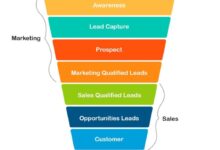
Leads Meaning: The Core Definition and Why It Matters

At its heart, the term leads meaning refers to individuals or organizations that have shown interest in your product or service but haven’t yet made a purchase. These are not random people; they are prospects who have taken a step—however small—toward engaging with your brand. Understanding this concept is crucial because leads are the starting point of every sales funnel.
What Exactly Is a Lead?
A lead is anyone who has provided contact information or demonstrated interest in what you offer. This could be through filling out a form, downloading a guide, subscribing to a newsletter, or even engaging with your content on social media. The key factor is intent: they’ve signaled that they might be open to further communication.
- Leads are not yet customers—they are prospects in the early stages of the buyer’s journey.
- They can come from various sources: online ads, SEO, referrals, events, or cold outreach.
- The quality of a lead depends on how closely they match your ideal customer profile.
“A lead is the first handshake in a potential business relationship.” — Sales Insight Lab
Why Understanding Leads Meaning Is Critical for Business Growth
Without leads, there is no pipeline. No pipeline means no sales, and no sales mean no revenue. That’s why businesses invest heavily in lead generation strategies. Knowing the true leads meaning helps companies focus their efforts on attracting the right kind of attention—not just any traffic, but targeted, qualified interest.
- Clear understanding of leads meaning improves targeting accuracy in marketing campaigns.
- It enables better alignment between marketing and sales teams.
- It supports data-driven decisions about where to allocate budget and resources.
For example, a B2B software company might define a lead as someone who downloads a whitepaper on cloud security. That action indicates a specific interest and positions the person as a warmer prospect than someone who merely visits the homepage.
Types of Leads: From Cold to Hot
Not all leads are created equal. The leads meaning evolves depending on the stage of engagement. Classifying leads helps businesses prioritize follow-up actions and tailor communication effectively.
Cold Leads: The First Spark of Interest
Cold leads are individuals who have shown minimal interest. They may have visited your website, signed up for a newsletter, or liked a social media post. While they’re in the system, they’re not actively considering a purchase.
- Typically require nurturing through email sequences or content marketing.
- Conversion rates are low without consistent follow-up.
- Best approached with educational content rather than direct sales pitches.
For instance, a cold lead might be someone who attended a free webinar but didn’t ask questions or request a demo. They’re aware of your brand but not yet convinced.
leads meaning – Leads meaning menjadi aspek penting yang dibahas di sini.
Warm Leads: Showing Genuine Interest
Warm leads have taken more deliberate actions. They might have requested a product demo, contacted customer support, or engaged with multiple pieces of content. These prospects are further along the buyer’s journey and are more likely to convert.
- They’ve demonstrated intent by seeking more information.
- Often require personalized follow-up from sales representatives.
- Higher conversion potential compared to cold leads.
A warm lead could be a business owner who filled out a contact form asking for pricing details. This shows a clear step toward evaluation and decision-making.
Hot Leads: Ready to Buy Now
Hot leads are the most valuable. They’re actively looking to make a purchase and may be comparing options. These leads often come from high-intent channels like paid search ads or referral programs.
- Require immediate follow-up—sometimes within minutes.
- Often respond well to limited-time offers or consultations.
- Have a high probability of converting if handled correctly.
According to Salesforce, companies that respond to hot leads within five minutes are 9 times more likely to qualify them.
How Leads Are Generated: Key Channels and Strategies
Understanding the leads meaning also involves knowing how leads are acquired. Different industries and business models rely on various lead generation methods. The most effective strategies combine multiple channels for maximum reach and impact.
Content Marketing and SEO
One of the most sustainable ways to generate leads is through content marketing. By creating valuable, informative content, businesses attract organic traffic from search engines. When visitors find your blog, guide, or video helpful, they’re more likely to share contact information in exchange for more resources.
- Blog posts targeting long-tail keywords can capture high-intent searchers.
- E-books, checklists, and templates serve as excellent lead magnets.
- SEO-optimized landing pages increase visibility and conversion rates.
For example, a financial advisor might offer a free retirement planning checklist in exchange for an email address. This not only generates a lead but also positions the advisor as a trusted expert.
Paid Advertising (PPC and Social Media Ads)
Paid advertising allows businesses to target specific demographics, interests, and behaviors. Platforms like Google Ads and Facebook Ads enable precise audience segmentation, making it easier to attract qualified leads.
leads meaning – Leads meaning menjadi aspek penting yang dibahas di sini.
- Google Search Ads target users actively searching for solutions.
- Social media ads can retarget website visitors or lookalike audiences.
- Lead forms on Facebook and LinkedIn reduce friction in the sign-up process.
A study by HubSpot found that companies using paid social media ads generate 2x more leads than those relying solely on organic efforts.
Referral and Partner Programs
Word-of-mouth remains one of the most powerful lead generation tools. Referral programs incentivize existing customers or partners to bring in new prospects. These leads often have higher trust and conversion rates because they come from a trusted source.
- Offer discounts, credits, or rewards for successful referrals.
- Partner with complementary businesses to co-market services.
- Track referrals using unique codes or landing pages.
“People don’t buy from companies. They buy from people they trust.” — Bob Burg, Author of The Go-Giver
Lead Qualification: How to Identify High-Value Prospects
Not every lead is worth pursuing. The leads meaning becomes actionable only when you can distinguish between a tire-kicker and a serious buyer. Lead qualification is the process of evaluating leads based on their likelihood to convert.
BANT Framework: Budget, Authority, Need, Timing
BANT is a classic sales qualification model developed by IBM. It helps sales teams assess whether a lead is ready to move forward.
- Budget: Does the lead have the financial resources to make a purchase?
- Authority: Is the lead the decision-maker or influencer in the buying process?
- Need: Does the lead have a clear problem that your product solves?
- Timing: Is the lead planning to make a decision soon?
If a lead meets all four criteria, they’re considered sales-ready. If not, they may need further nurturing.
CHAMP Framework: Challenges, Authority, Money, Prioritization
CHAMP is a more modern alternative to BANT, focusing on the customer’s pain points rather than just their financials.
- Challenges: What problems is the lead trying to solve?
- Authority: Who has the power to approve the solution?
- Money: Is there funding available for the solution?
- Prioritization: How urgent is the issue for the lead?
This framework is especially useful in consultative selling environments where understanding the customer’s situation is key.
Lead Scoring: Automating the Qualification Process
Lead scoring assigns numerical values to leads based on their behavior and profile data. For example, visiting a pricing page might earn 10 points, while downloading a case study earns 20. When a lead reaches a certain threshold, they’re passed to sales.
leads meaning – Leads meaning menjadi aspek penting yang dibahas di sini.
- Behavioral scoring tracks actions like email opens, page visits, and form submissions.
- Demographic scoring considers job title, company size, industry, and location.
- Marketing automation tools like Marketo and HubSpot can automate this process.
Effective lead scoring reduces wasted effort and increases sales efficiency.
Leads Meaning in Different Industries: A Comparative Look
The interpretation of leads meaning can vary significantly across industries. What qualifies as a lead in real estate might differ from what counts in SaaS or e-commerce.
Real Estate: From Inquiry to Showing
In real estate, a lead is typically someone who expresses interest in buying or renting a property. This could be through a website inquiry, open house attendance, or a phone call to an agent.
- Highly dependent on location and price range.
- Follow-up speed is critical—agents who respond within 5 minutes get 90% more qualified leads.
- CRM tools help track interactions and schedule viewings.
According to the National Association of Realtors, 43% of buyers found their home through a real estate agent, highlighting the importance of lead conversion in this sector.
SaaS (Software as a Service): Free Trials and Demos
In the SaaS world, leads are often generated through free trials, freemium models, or live demos. The goal is to get users to experience the product firsthand.
- Product-qualified leads (PQLs) are users who have engaged deeply with the free version.
- Behavioral triggers (e.g., using a key feature) signal readiness for upsell.
- Onboarding emails guide users toward activation and conversion.
Companies like Slack and Dropbox grew rapidly by turning free users into paying customers through smart lead nurturing.
E-Commerce: Abandoned Carts and Email Signups
In e-commerce, a lead might be someone who adds items to their cart but doesn’t complete the purchase. These are high-intent prospects who can be re-engaged through retargeting ads or email campaigns.
- Abandoned cart emails can recover up to 10% of lost sales.
- Newsletter signups are considered leads even if no purchase is made.
- Personalized product recommendations increase conversion chances.
A report by Barilliance shows the average cart abandonment rate is 69.82%, making lead recovery a vital strategy.
leads meaning – Leads meaning menjadi aspek penting yang dibahas di sini.
Common Mistakes in Lead Management and How to Avoid Them
Even with a solid grasp of leads meaning, many businesses fail to convert leads effectively. These mistakes can cost time, money, and opportunities.
Ignoring Lead Follow-Up Speed
One of the biggest mistakes is slow response time. Research shows that the odds of qualifying a lead drop by 10x if the follow-up takes more than 5 minutes.
- Implement automated email responses to acknowledge inquiries immediately.
- Use chatbots to engage website visitors in real time.
- Set up alerts for sales teams to act quickly on new leads.
Companies using real-time lead response see up to 300% more conversions, according to InsideSales.com.
Poor Lead-Nurturing Strategies
Many businesses focus only on acquisition but neglect nurturing. Cold leads won’t convert overnight—they need consistent, value-driven communication.
- Create email drip campaigns that educate and build trust.
- Segment leads based on behavior and interests for personalized messaging.
- Use marketing automation to deliver the right message at the right time.
Nurtured leads make 47% larger purchases than non-nurtured leads (MarketingSherpa).
Misalignment Between Marketing and Sales Teams
When marketing generates leads but sales rejects them as “not qualified,” it creates friction. This often stems from unclear definitions and lack of communication.
- Establish a Service Level Agreement (SLA) between teams.
- Define what constitutes a Marketing Qualified Lead (MQL) and Sales Qualified Lead (SQL).
- Hold regular sync meetings to review lead quality and feedback.
“The gap between marketing and sales is the number one barrier to lead conversion.” — SiriusDecisions
The Future of Leads: Trends Shaping Lead Generation
As technology evolves, so does the leads meaning. New tools and behaviors are redefining how businesses attract and engage prospects.
AI and Predictive Lead Scoring
Artificial intelligence is transforming lead qualification. AI-powered tools analyze vast amounts of data to predict which leads are most likely to convert.
leads meaning – Leads meaning menjadi aspek penting yang dibahas di sini.
- Predictive scoring goes beyond basic rules to identify hidden patterns.
- Tools like Salesforce Einstein use machine learning to prioritize leads.
- Reduces human bias in the qualification process.
Companies using AI for lead scoring report up to 50% higher conversion rates.
Conversational Marketing and Chatbots
Today’s buyers expect instant responses. Conversational marketing uses chatbots and live chat to engage visitors in real time, turning passive browsers into active leads.
- Chatbots can qualify leads 24/7 without human intervention.
- They collect contact info by offering help or resources.
- Integrate with CRM systems to pass leads directly to sales.
According to Drift, 64% of consumers expect chatbots to be available for customer service.
Privacy-First Lead Generation
With increasing data privacy regulations (like GDPR and CCPA), businesses must adapt how they collect and use lead information.
- Transparency in data collection builds trust.
- Zero-party data (information willingly shared by users) is becoming more valuable than third-party data.
- Consent-based marketing ensures compliance and improves lead quality.
Brands that respect privacy see higher engagement and loyalty from their leads.
What is the basic leads meaning?
The basic leads meaning refers to individuals or organizations that have shown interest in a product or service and provided contact information, making them potential customers in the sales pipeline.
What are the different types of leads?
leads meaning – Leads meaning menjadi aspek penting yang dibahas di sini.
The main types of leads are cold leads (minimal interest), warm leads (demonstrated interest), and hot leads (ready to buy). There are also marketing-qualified leads (MQLs) and sales-qualified leads (SQLs) based on readiness.
How can I generate more leads for my business?
You can generate more leads through content marketing, SEO, paid advertising, social media, referral programs, and lead magnets like free trials or downloadable guides. Consistent follow-up and nurturing are key.
What is lead qualification and why is it important?
Lead qualification is the process of evaluating leads based on criteria like budget, authority, need, and timing. It’s important because it helps focus sales efforts on the most promising prospects, improving efficiency and conversion rates.
How is AI changing the leads meaning and generation process?
AI is enhancing lead generation by enabling predictive scoring, automating follow-ups, and improving targeting through data analysis. It helps businesses identify high-value leads faster and personalize engagement at scale.
Understanding the true leads meaning is fundamental to any successful business strategy. From defining what a lead is to generating, qualifying, and nurturing them, every step impacts your bottom line. As markets evolve and technology advances, the way we perceive and handle leads will continue to change. But one thing remains constant: leads are the starting point of every sale. By mastering the art and science of lead management, businesses can build stronger pipelines, improve conversion rates, and achieve sustainable growth. Whether you’re in real estate, SaaS, or e-commerce, the principles of effective lead handling apply. Focus on quality over quantity, align your teams, and embrace innovation to stay ahead in the game.
leads meaning – Leads meaning menjadi aspek penting yang dibahas di sini.
Further Reading:
