Want to grow your business fast? It starts with one word: leads. Without a steady stream of quality leads, even the best products can go unnoticed. In this guide, we’ll break down everything you need to know about generating, nurturing, and converting leads—using proven strategies that deliver real results.


What Are Leads and Why They Matter

At the heart of every successful business is a strong lead generation engine. But what exactly are leads? In simple terms, a lead is any individual or organization that shows interest in your product or service. This interest could come from filling out a form, subscribing to a newsletter, or downloading a free resource. Not all leads are created equal, though—some are ready to buy, while others need more nurturing.
Defining a Lead in Modern Marketing
In today’s digital landscape, a lead is more than just a name and email. It’s a potential relationship waiting to be developed. According to HubSpot, a lead is “a person who could become a customer based on their interest in your company’s products or services.” This interest is typically captured through marketing efforts like content downloads, webinar sign-ups, or social media engagement.
- A lead expresses intent by providing contact information.
- Leads can originate from various channels: organic search, paid ads, referrals, or events.
- Modern CRM systems help track and score leads based on behavior and engagement.
Types of Leads: MQLs, SQLs, and More
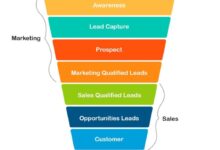
Not all leads are ready to talk to sales. That’s why marketers categorize them into different types:
Marketing Qualified Leads (MQLs): These are leads who have engaged with your marketing content but aren’t yet ready for a sales conversation.For example, someone who downloaded an ebook or attended a webinar.Sales Qualified Leads (SQLs): These leads have been vetted by the marketing team and passed to sales because they show buying intent—like requesting a demo or pricing information..
Product Qualified Leads (PQLs): Common in SaaS businesses, these are users who have experienced your product (e.g., through a free trial) and shown behaviors indicating they’re ready to upgrade.”A lead is not just a data point—it’s the first step in a customer journey.” — Neil Patel, Digital Marketing Expert
7 Proven Strategies to Generate High-Quality Leads
Generating leads isn’t about casting a wide net—it’s about targeting the right audience with the right message.Here are seven powerful strategies that consistently deliver high-converting leads..
1. Create High-Value Lead Magnets
A lead magnet is a free resource offered in exchange for contact information. The key is to make it so valuable that visitors can’t resist giving up their email.
- E-books and whitepapers that solve specific problems.
- Checklists and templates that save time.
- Free tools or calculators (e.g., ROI calculator, SEO audit tool).
For example, HubSpot offers free marketing templates that attract thousands of leads monthly. The more specific and actionable your lead magnet, the higher the conversion rate.
2. Optimize Landing Pages for Conversion
Your landing page is where leads are born. If it’s cluttered, slow, or unclear, you’ll lose potential customers. A high-converting landing page should have:
- A clear, benefit-driven headline.
- Concise copy that highlights value.
- A simple, mobile-friendly form.
- Trust signals like testimonials or security badges.
According to Unbounce, the average landing page conversion rate is around 4.02%, but top performers achieve over 10% by focusing on user experience and clarity.
3. Leverage SEO to Attract Organic Leads
Search engine optimization (SEO) is one of the most cost-effective ways to generate long-term leads. When people search for solutions you offer, you want your content to appear at the top.
- Target long-tail keywords like ‘best CRM for small business leads’.
- Create comprehensive blog posts and guides that answer real questions.
- Optimize meta descriptions, headers, and image alt text.
Backlinko’s research shows that pages ranking in the top 3 positions on Google get over 60% of all clicks. By consistently publishing SEO-optimized content, you build a pipeline of organic leads that grows over time.
The Role of Content Marketing in Lead Generation
Content isn’t just about informing—it’s about attracting, engaging, and converting leads. A well-executed content marketing strategy turns strangers into prospects and prospects into customers.
Blogging: The Foundation of Lead-Driven Content
A company blog is one of the most effective tools for generating leads. Each post is an opportunity to rank in search engines, attract visitors, and capture leads through embedded CTAs and forms.
- Write about pain points your audience faces.
- Include internal links to product pages or lead magnets.
- Add pop-ups or slide-ins with lead capture forms.
Companies that blog generate 67% more leads than those that don’t, according to Drift. The key is consistency and relevance.
Video Marketing That Converts Viewers into Leads
Video is one of the fastest-growing content formats. It’s engaging, shareable, and highly effective for explaining complex products or services.
- Create explainer videos that showcase your solution.
- Host live webinars and require registration (hello, leads!).
- Use YouTube ads to target high-intent audiences.
Wyzowl’s 2023 report found that 91% of businesses use video as a marketing tool, and 87% say it’s helped them generate leads. A single well-placed CTA in a video can drive thousands of opt-ins.
Social Media: Turning Engagement into Leads
Social media isn’t just for brand awareness—it’s a powerful lead generation channel when used strategically.
LinkedIn: The B2B Lead Generation Powerhouse
For B2B companies, LinkedIn is the gold standard for lead generation. With over 900 million users, it’s where decision-makers spend their time.
- Publish thought leadership articles to establish authority.
- Use LinkedIn Lead Gen Forms in sponsored content.
- Engage in groups and comment on industry posts to build visibility.
LinkedIn reports that its lead gen forms have up to 2x higher conversion rates than traditional landing pages because they auto-fill user data, reducing friction.
Facebook & Instagram: Visual Platforms with Lead Potential
While more consumer-focused, Facebook and Instagram offer robust lead generation tools, especially for e-commerce and service-based businesses.
- Run lead ads with instant forms.
- Use Instagram Stories with swipe-up links (for accounts with 10k+ followers).
- Host giveaways that require email entry.
Meta’s lead ads allow users to submit their information without leaving the app, making it easier than ever to capture leads at scale.
Email Marketing: Nurturing Leads to Conversion
Generating leads is only half the battle. The real magic happens in nurturing them through email marketing.
Building a High-Converting Email List
Your email list is one of your most valuable assets. Unlike social media followers, you own this audience and can reach them directly.
- Use pop-ups, exit-intent forms, and inline forms on your website.
- Offer lead magnets in exchange for subscriptions.
- Ensure GDPR and CAN-SPAM compliance to build trust.
According to Campaign Monitor, email marketing delivers an average ROI of $42 for every $1 spent—making it one of the highest-return lead nurturing channels.
Automated Drip Campaigns That Convert
Not all leads are ready to buy immediately. Drip campaigns send a series of automated emails that educate, build trust, and guide leads toward a purchase.
- Welcome series for new subscribers.
- Product onboarding sequences for free trial users.
- Re-engagement campaigns for inactive leads.
For example, a SaaS company might send a 7-day onboarding sequence that highlights key features, shares customer success stories, and ends with a personalized demo offer.
Lead Scoring and Qualification: Separating Hot from Cold
Not all leads deserve the same attention. Lead scoring helps you prioritize the most promising ones.
What Is Lead Scoring?
Lead scoring assigns points to leads based on their behavior and profile. The higher the score, the more likely they are to convert.
- Positive points for actions like visiting pricing pages, downloading case studies, or attending webinars.
- Negative points for inactivity or unengaged behavior.
- Demographic points for job title, company size, or industry fit.
Tools like Marketo and HubSpot allow you to automate this process, ensuring sales teams focus on high-potential leads.
When to Pass Leads to Sales
The handoff from marketing to sales is critical. Passing unqualified leads wastes time; holding onto hot leads delays revenue.
- Define clear criteria for SQLs (e.g., score of 75+, requested demo).
- Use service-level agreements (SLAs) between marketing and sales teams.
- Implement lead routing to assign leads to the right sales rep.
“Without lead scoring, you’re flying blind. With it, you can predict who will buy—and when.” — Marketo
Measuring Lead Generation Success: Key Metrics to Track
You can’t improve what you don’t measure. Tracking the right metrics helps you optimize your lead generation strategy.
Conversion Rate: The Ultimate Benchmark
This measures the percentage of visitors who become leads. For example, if 1,000 people visit your landing page and 100 sign up, your conversion rate is 10%.
- Aim for at least 5–10% on high-intent pages.
- Test different headlines, CTAs, and form lengths to improve rates.
- Use A/B testing tools like Google Optimize or VWO.
Cost Per Lead (CPL): Maximizing ROI
CPL tells you how much you’re spending to acquire each lead. It’s calculated by dividing total campaign spend by the number of leads generated.
- Compare CPL across channels (SEO vs. paid ads vs. social).
- Focus on lowering CPL while maintaining lead quality.
- Factor in lifetime value (LTV) to assess long-term profitability.
Lead-to-Customer Conversion Rate
This metric shows how many leads actually become paying customers. A high lead volume means nothing if few convert.
- Industry averages vary: SaaS might see 10–20%, while e-commerce could be 1–3%.
- Improve this rate with better qualification and nurturing.
- Align sales and marketing teams to close the gap.
Common Lead Generation Mistakes to Avoid
Even experienced marketers make mistakes that hurt lead quality and volume. Here are the most common pitfalls—and how to avoid them.
Targeting the Wrong Audience
If your message doesn’t resonate with the right people, you’ll attract unqualified leads. Create detailed buyer personas to guide your targeting.
- Conduct surveys and interviews with existing customers.
- Analyze website analytics to understand visitor behavior.
- Use intent data from tools like Bombora or 6sense.
Overlooking Lead Nurturing
Only 25% of leads are ready to buy immediately. The rest need nurturing. Ignoring them means leaving money on the table.
- Develop email sequences that provide value over time.
- Use retargeting ads to stay top-of-mind.
- Personalize content based on lead behavior.
Poor Follow-Up and Communication
Speed matters. Research by InsideSales shows that leads contacted within 5 minutes are 21x more likely to convert.
- Set up automated alerts for new leads.
- Use chatbots to engage visitors in real-time.
- Train sales teams on timely, personalized outreach.
What is the best way to generate leads?
The best way to generate leads depends on your audience and industry, but a combination of content marketing, SEO, and targeted paid ads tends to deliver the highest ROI. Focus on providing value first, and leads will follow.
How do you qualify a lead?
Qualify a lead by assessing their intent (behavioral data) and fit (demographic data). Use lead scoring models to assign points based on actions like visiting key pages, downloading resources, or matching ideal customer profile traits.
What’s the difference between a lead and a prospect?
A lead is anyone who has shown interest in your business. A prospect is a qualified lead that sales has accepted and is actively pursuing. All prospects are leads, but not all leads become prospects.
How can I improve my lead conversion rate?
Improve conversion rates by optimizing landing pages, using compelling CTAs, offering valuable lead magnets, and implementing lead nurturing campaigns. A/B testing and personalization also play key roles.
Are free tools effective for lead generation?
Yes, free tools are highly effective. They provide immediate value and solve real problems, making visitors more likely to share their information. Examples include ROI calculators, SEO analyzers, or project management templates.
Generating high-quality leads isn’t about luck—it’s about strategy, consistency, and optimization. From creating irresistible lead magnets to mastering email nurturing and lead scoring, every step in the process matters. By focusing on value, targeting the right audience, and measuring performance, you can build a predictable lead engine that fuels sustainable growth. Start implementing these strategies today, and watch your pipeline transform.
Further Reading:
