In the fast-evolving world of digital marketing, one metric stands out for its direct impact on revenue: leads density. It’s not just about generating more leads—it’s about maximizing the quality and concentration of high-intent prospects in your pipeline. Let’s dive into what leads density really means and how you can leverage it for explosive growth.


What Is Leads Density and Why It Matters

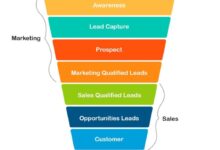
Leads density refers to the concentration of qualified, high-potential leads within a given marketing or sales funnel. Unlike traditional lead volume metrics, which count every sign-up or form submission, leads density focuses on the proportion of those leads that are genuinely likely to convert into paying customers. This subtle but critical shift in perspective allows businesses to optimize for efficiency, not just activity.
Defining Leads Density Accurately
Leads density is calculated by measuring the ratio of marketing-qualified leads (MQLs) or sales-qualified leads (SQLs) to the total number of leads generated over a specific period. For example, if a campaign generates 1,000 leads and 250 of them meet your ideal customer profile and show buying intent, your leads density is 25%. The higher this percentage, the more efficient your lead generation process.
- Leads density = (Number of Qualified Leads / Total Leads) × 100
- It reflects the precision of targeting and messaging in your campaigns
- High leads density reduces wasted ad spend and sales effort
How Leads Density Differs from Lead Volume
Many marketers obsess over lead volume—the total number of contacts collected. But volume alone can be misleading. A campaign that generates 10,000 leads with only 5% converting has lower leads density than one producing 2,000 leads with a 30% conversion rate. The latter is far more valuable.
“Quality over quantity isn’t just a slogan—it’s the foundation of sustainable growth. Leads density helps you measure that quality in real time.” — Marketing Analytics Institute, marketinganalytics.org
The Business Impact of High Leads Density
Companies with high leads density experience faster sales cycles, lower customer acquisition costs (CAC), and higher customer lifetime value (CLTV). According to a HubSpot report, businesses that prioritize lead quality see up to 3x higher ROI on their marketing spend compared to those focused solely on volume.
- Shorter sales cycles due to better lead readiness
- Improved sales team productivity
- Higher close rates and deal sizes
The Science Behind Leads Density Optimization
Optimizing leads density isn’t guesswork—it’s a data-driven process rooted in behavioral analytics, segmentation, and funnel science. By understanding how prospects interact with your content and offers, you can fine-tune your strategy to attract more high-intent users.
Behavioral Signals That Indicate Lead Quality
Not all leads behave the same way. High-density leads often exhibit specific behavioral patterns, such as repeated website visits, time spent on pricing pages, downloading case studies, or engaging with demo requests. Tracking these micro-conversions helps identify which leads are closer to buying.
- Page views on product or pricing pages
- Engagement with sales content (e.g., whitepapers, webinars)
- Email open and click-through rates on nurture sequences
Using Predictive Analytics to Boost Leads Density
Predictive lead scoring models use machine learning to analyze historical data and forecast which new leads are most likely to convert. Tools like Salesforce Marketing Cloud and Marketo integrate these models to automatically score leads based on demographics, firmographics, and engagement history.
“Predictive analytics can increase leads density by up to 40% by filtering out low-intent prospects before they enter the sales funnel.” — Gartner Research, gartner.com
The Role of Data Enrichment in Lead Qualification
Data enrichment platforms like Clearbit and ZoomInfo enhance raw lead data with firmographic, technographic, and behavioral insights. This enriched data allows marketers to segment leads more precisely and prioritize those with characteristics matching their best customers.
- Enriched leads are 50% more likely to convert (Source: Clearbit)
- Automated enrichment reduces manual qualification time
- Enables hyper-personalized outreach at scale
7 Proven Strategies to Increase Leads Density
Boosting leads density requires a strategic blend of targeting, content, and technology. Here are seven battle-tested methods that consistently deliver results across industries.
1. Refine Your Ideal Customer Profile (ICP)
Your ICP is the blueprint for high-density leads. A well-defined ICP includes not just demographic and firmographic data, but also psychographic and behavioral traits. Regularly update your ICP based on win/loss analysis and customer feedback.
- Use CRM data to identify common traits among top customers
- Conduct interviews with sales teams to capture qualitative insights
- Leverage tools like 6sense for account-based intelligence
2. Implement Tiered Lead Scoring Models
A tiered scoring system assigns points based on both explicit (job title, company size) and implicit (content engagement, email opens) behaviors. Leads that reach a threshold become high-density prospects eligible for sales outreach.
- Assign higher weights to actions indicating purchase intent
- Set dynamic thresholds based on campaign goals
- Integrate scoring with your CRM for real-time updates
3. Optimize Landing Pages for Intent Matching
Landing pages should align tightly with the searcher’s intent. If your ad promises a free ROI calculator, the landing page must deliver exactly that—not a generic brochure. Misalignment kills leads density by attracting mismatched leads.
- Use intent-based keywords in headlines and CTAs
- Include social proof relevant to the offer
- A/B test form lengths and fields to balance friction and qualification
4. Deploy Account-Based Marketing (ABM) Tactics
ABM flips traditional marketing by targeting specific high-value accounts rather than broad audiences. This focused approach naturally increases leads density by concentrating efforts on companies already in-market for your solution.
- Identify target accounts using intent data platforms
- Create personalized content journeys for each account
- Coordinate sales and marketing touchpoints for maximum impact
5. Use Retargeting to Re-Engage High-Intent Visitors
Not all high-density leads convert on the first visit. Retargeting campaigns using platforms like Google Ads and LinkedIn Ads can re-engage visitors who showed strong intent but didn’t complete a conversion action.
- Segment retargeting audiences by behavior (e.g., pricing page visitors)
- Deliver tailored offers based on previous interactions
- Cap frequency to avoid ad fatigue
6. Leverage Content Personalization Engines
Personalization tools like Dynamic Yield and Evergage adapt website content in real time based on visitor data. A visitor from a Fortune 500 company sees enterprise-focused messaging, while a startup founder sees SMB-relevant content—increasing relevance and leads density.
- Personalize CTAs, banners, and product recommendations
- Use geolocation and device data to enhance targeting
- Integrate with your CDP for unified customer profiles
7. Audit and Clean Your Lead Database Regularly
Over time, lead databases accumulate outdated, duplicate, or low-quality entries. Regular audits remove noise and improve the overall density of qualified leads. Use tools like HubSpot CRM or Zoho CRM to automate deduplication and enrichment.
- Schedule quarterly data hygiene campaigns
- Remove leads that haven’t engaged in 6+ months
- Re-engage dormant leads with win-back sequences
Measuring and Tracking Leads Density Over Time
Like any KPI, leads density must be measured consistently to assess performance and guide optimization. Establish a dashboard that tracks this metric alongside related indicators like conversion rate, CAC, and CLTV.
Key Metrics to Monitor Alongside Leads Density
To get a complete picture of funnel health, pair leads density with complementary metrics:
- Conversion Rate: Percentage of leads that become customers
- Lead-to-Customer Velocity: Time from lead capture to close
- Cost Per Qualified Lead (CPQL): Ad spend divided by number of SQLs
- Funnel Drop-Off Rate: Where and why leads disengage
Tools for Real-Time Leads Density Monitoring
Modern marketing automation platforms provide real-time dashboards to track leads density. Tools like Google Analytics 4, Mixpanel, and Pardot allow you to create custom reports that segment leads by quality and behavior.
- Set up automated alerts for drops in leads density
- Use cohort analysis to compare campaign performance
- Integrate with BI tools like Tableau for advanced visualization
Creating a Leads Density Scorecard
A dedicated scorecard helps align marketing and sales teams around shared goals. Include metrics like:
- Weekly/Monthly leads density percentage
- Top-performing channels by lead quality
- ICP match rate for new leads
- Sales feedback on lead readiness
“A leads density scorecard turns abstract data into actionable insights. It’s the single most effective tool for continuous improvement.” — MarketingOps.com, marketingops.com
Common Pitfalls That Reduce Leads Density
Even well-intentioned strategies can backfire if not executed properly. Here are common mistakes that dilute leads density and how to avoid them.
Over-Reliance on Broad Targeting
Using overly broad audience segments in paid ads or email campaigns attracts low-intent users. For example, targeting “marketing professionals” instead of “B2B SaaS marketing directors with 50+ team members” floods your funnel with irrelevant leads.
- Solution: Use layered targeting with job title, industry, and intent signals
- Leverage LinkedIn Matched Audiences or Google Customer Match
- Test narrow vs. broad audiences and compare leads density
Poor Lead Handoff Between Marketing and Sales
When marketing passes unqualified leads to sales, it erodes trust and wastes time. A clear service-level agreement (SLA) between teams ensures only high-density leads enter the sales pipeline.
- Define SQL criteria jointly with sales leadership
- Implement lead recycling for unresponsive prospects
- Conduct monthly syncs to refine qualification rules
Ignoring Post-Conversion Feedback Loops
Without feedback from sales on which leads converted and why, marketing can’t improve leads density. Implement a closed-loop reporting system where sales updates lead status in the CRM.
- Tag leads as “won,” “lost,” or “junk” post-sale
- Analyze patterns in lost deals to refine targeting
- Share win stories to reinforce ICP accuracy
Case Studies: Brands That Mastered Leads Density
Real-world examples demonstrate the transformative power of optimizing for leads density over volume.
Case Study 1: SaaS Company Increases SQLs by 65%
A mid-sized B2B SaaS platform was generating 5,000 leads per month but converting only 4%. After implementing a predictive scoring model and refining their ICP, they reduced total leads to 3,200 but increased SQLs by 65%. Their leads density jumped from 12% to 28%, significantly lowering CAC.
- Tools used: HubSpot, 6sense, Clearbit
- Key action: Shifted from volume-based to quality-based KPIs
- Result: 40% reduction in CAC, 22% increase in ARR
Case Study 2: E-commerce Brand Boosts ROAS with ABM
An e-commerce brand selling high-ticket B2B equipment adopted ABM to target enterprise clients. By focusing on 200 named accounts with personalized outreach, they achieved a leads density of 41%, compared to 9% from broad campaigns.
- Tools used: LinkedIn Sales Navigator, Terminus, Drift
- Key action: Created account-specific landing pages and demos
- Result: 5x higher ROAS, 70% shorter sales cycle
Case Study 3: Financial Services Firm Reduces Churn with Data Enrichment
A fintech company used data enrichment to verify lead credentials and detect mismatched prospects. By filtering out non-ideal leads early, they improved leads density from 18% to 33% and reduced customer churn by 25% in six months.
- Tools used: ZoomInfo, Salesforce, Chargebee
- Key action: Integrated enrichment into lead capture forms
- Result: Higher-quality onboarding, improved NPS
Future Trends in Leads Density and Lead Intelligence
As AI and machine learning evolve, the ability to predict and influence leads density will become even more precise. Staying ahead of these trends ensures long-term competitive advantage.
AI-Powered Intent Detection
Next-generation platforms use natural language processing (NLP) to analyze online behavior and detect buying intent before a lead fills out a form. This allows marketers to engage prospects earlier in the journey with higher relevance.
- Tools like Bombora and G2 Track provide intent data
- AI can predict which content will attract high-density leads
- Real-time intent signals enable instant personalization
Privacy-First Lead Qualification
With increasing data privacy regulations (GDPR, CCPA), marketers must find new ways to assess lead quality without relying on third-party cookies. First-party data strategies and zero-party data collection (e.g., preference centers) will become essential for maintaining leads density.
- Encourage voluntary data sharing through value exchange
- Use contextual targeting instead of behavioral tracking
- Build consent-based email lists with high engagement
The Rise of Predictive Content Optimization
AI will soon recommend not just which leads to target, but which content to show them. Predictive engines will optimize headlines, CTAs, and offers in real time to maximize leads density for each visitor segment.
- Platforms like Persado and Phrasee use AI for copy optimization
- Dynamic content will adapt based on predicted conversion likelihood
- Marketers will shift from creating content to curating AI-generated variants
What is leads density?
Leads density is the percentage of qualified, high-intent leads within your total lead pool. It measures how effectively your marketing efforts attract prospects who are likely to convert, rather than just counting total submissions.
How do you calculate leads density?
Divide the number of qualified leads (MQLs or SQLs) by the total number of leads generated, then multiply by 100. For example: (250 SQLs / 1,000 total leads) × 100 = 25% leads density.
Why is leads density more important than lead volume?
High lead volume with low quality wastes time and budget. Leads density ensures your sales team spends time on prospects most likely to buy, improving efficiency, reducing CAC, and increasing revenue.
What tools help improve leads density?
Tools like HubSpot, Salesforce, Clearbit, 6sense, and ZoomInfo help with lead scoring, data enrichment, and intent detection—all critical for boosting leads density.
Can leads density be too high?
Theoretically, yes. If your targeting is too narrow, you might miss viable prospects. Balance high leads density with sufficient market reach by testing broader segments periodically.
Leads density is not just a metric—it’s a strategic compass for modern marketers. By shifting focus from raw volume to qualified concentration, businesses can achieve greater efficiency, lower costs, and higher conversion rates. From refining your ICP to leveraging AI-driven insights, the strategies outlined here provide a comprehensive roadmap to mastering leads density. As the digital landscape evolves, those who prioritize quality over quantity will lead the pack. Start measuring, optimizing, and scaling your leads density today to unlock sustainable growth.
Further Reading:
