Ever wondered what separates a casual browser from a potential customer? It all starts with understanding the leads definition. In today’s competitive market, knowing who your leads are—and how to nurture them—can make or break your business growth.

Leads Definition: What Exactly Is a Lead?

At its core, the leads definition refers to any individual or organization that has shown interest in your product or service. This interest could be expressed in various ways—filling out a form, subscribing to a newsletter, downloading a whitepaper, or even engaging with your content on social media. A lead is not yet a customer, but they are one step closer to becoming one.
Why the Leads Definition Matters in Marketing
Understanding the precise leads definition is crucial because it sets the foundation for your entire marketing and sales strategy. Without a clear idea of who qualifies as a lead, your campaigns can become unfocused, leading to wasted resources and poor conversion rates.
- Helps align marketing and sales teams
- Improves targeting accuracy in ad campaigns
- Enables better segmentation and personalization
“A lead is the starting point of every customer journey. Define it clearly, or risk losing the entire path.” — MarketingProfs
Different Perspectives on Leads Definition
The leads definition can vary depending on the industry, business model, or even the department within a company. For example, in B2B marketing, a lead might be someone who requests a demo, while in e-commerce, it could be someone who adds an item to their cart but doesn’t check out.
- Sales teams may define leads as anyone requesting a quote
- Marketing teams might count email sign-ups as leads
- Customer success teams see leads as users who engage with onboarding emails
Types of Leads Based on the Leads Definition
Not all leads are created equal. Once you grasp the basic leads definition, the next step is categorizing them. This helps businesses prioritize efforts and allocate resources more efficiently. Let’s explore the most common types of leads.
Marketing Qualified Leads (MQLs)
Marketing Qualified Leads (MQLs) are individuals who have engaged with your marketing content and meet specific criteria set by your marketing team. These criteria might include downloading a guide, attending a webinar, or visiting pricing pages multiple times.
- Engaged with content but not yet ready to buy
- Scored based on behavior and demographics
- Handed off to sales only when they meet conversion thresholds
According to HubSpot, MQLs are vital for measuring marketing effectiveness and optimizing lead generation campaigns.
Sales Qualified Leads (SQLs)
Sales Qualified Leads (SQLs) are leads that marketing has passed to the sales team because they’ve shown buying intent. This could mean requesting a product demo, asking for a price quote, or speaking directly with a sales representative.
- Have expressed clear interest in purchasing
- Meet the company’s ideal customer profile (ICP)
- Are ready for direct sales engagement
“An SQL is more than just interest—it’s intent. That’s what makes them gold in the sales funnel.” — Salesforce Blog
Product Qualified Leads (PQLs)
Product Qualified Leads (PQLs) are users who have experienced your product—often through a free trial or freemium model—and demonstrated behaviors that indicate readiness to upgrade or purchase.
- Used key features of the product
- Reached usage thresholds (e.g., invited team members)
- Triggered in-app prompts for upgrade
PQLs are especially common in SaaS companies. As Pardot explains, PQLs have a higher conversion rate because they’ve already seen the product’s value firsthand.
Leads Definition in Different Business Models
The way businesses define leads can vary dramatically based on their model. Understanding these differences ensures that your leads definition is not only accurate but also practical for your specific context.
B2B Leads Definition
In B2B (Business-to-Business) environments, the leads definition often involves longer sales cycles and multiple decision-makers. A lead might be a company representative who fills out a contact form for a consultation or downloads a case study.
- Leads are often companies, not individuals
- Qualification includes budget, authority, need, and timeline (BANT)
- Lead nurturing is critical due to complex buying processes
For example, a software provider targeting enterprises might define a lead as a CTO who attended a live demo and requested integration details.
B2C Leads Definition
In B2C (Business-to-Consumer) scenarios, the leads definition tends to be simpler and more transactional. A lead could be someone who signs up for a discount code or creates an account on an e-commerce site.
- Shorter decision-making process
- Emphasis on immediate engagement and conversion
- Leads often captured via social media ads or landing pages
As HubSpot highlights, B2C leads are typically driven by emotion and instant gratification, requiring faster follow-up strategies.
E-commerce and Service-Based Leads
E-commerce businesses often define leads as users who add items to their cart or save products to a wishlist. Service-based businesses, like consultants or agencies, may consider a lead as someone who books a discovery call or fills out a service inquiry form.
- E-commerce: cart abandoners are high-potential leads
- Service-based: leads are often pre-qualified by form responses
- Both rely heavily on email automation for follow-up
“In e-commerce, every abandoned cart is a conversation waiting to happen.” — Shopify Blog
How to Generate Leads: Strategies Aligned with Leads Definition
Once you’ve nailed down your leads definition, the next step is generating them. This requires a mix of content, technology, and strategy. Let’s explore proven methods that align with a solid understanding of what a lead truly is.
Content Marketing and Lead Magnets
One of the most effective ways to generate leads is through valuable content. By offering free resources—like eBooks, checklists, or templates—in exchange for contact information, you turn visitors into leads.
- Create high-value lead magnets relevant to your audience
- Use landing pages with clear calls-to-action (CTAs)
- Gate content behind a simple form to capture emails
For instance, a financial advisor might offer a free retirement planning checklist to attract potential clients. As Neil Patel emphasizes, the key is relevance—your lead magnet should solve a real problem.
Social Media and Paid Advertising
Social media platforms like LinkedIn, Facebook, and Instagram allow businesses to target specific audiences and drive them to lead capture forms. Paid ads can accelerate lead generation by reaching cold audiences with precision.
- Use lead gen forms on Facebook and LinkedIn
- Target lookalike audiences based on existing customers
- A/B test ad copy and visuals for maximum conversions
LinkedIn’s lead gen forms, for example, auto-fill user data, reducing friction and increasing conversion rates. According to LinkedIn, these forms can boost lead volume by up to 30%.
Email Marketing and Newsletters
Email remains one of the highest ROI channels for lead generation. By building a subscriber list and sending consistent, value-driven content, you keep your brand top-of-mind and nurture leads over time.
- Offer a lead magnet in exchange for email sign-up
- Use drip campaigns to educate and engage new leads
- Segment your list for personalized messaging
“Email is not dead—it’s the backbone of lead nurturing.” — Mailchimp
Leads Definition and the Sales Funnel
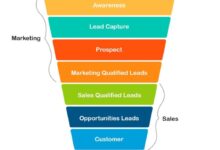
The leads definition plays a pivotal role in shaping the sales funnel. Each stage of the funnel—from awareness to decision—requires a different understanding of what constitutes a lead and how to move them forward.
Top of the Funnel (TOFU): Awareness Stage
At the top of the funnel, leads are often unaware of their problem or your solution. Here, the leads definition is broad—anyone who engages with educational content, such as blog posts or videos, can be considered a lead.
- Focus on content that answers common questions
- Use SEO and social media to attract organic traffic
- Convert visitors with low-commitment offers (e.g., free guides)
This stage is about volume and awareness. As Campaign Monitor notes, TOFU leads need nurturing before they’re ready to buy.
Middle of the Funnel (MOFU): Consideration Stage
In the middle of the funnel, leads are aware of their problem and are evaluating solutions. The leads definition becomes more refined—these are people who’ve downloaded comparison guides, attended webinars, or requested product demos.
- Provide case studies and testimonials
- Offer free trials or consultations
- Use retargeting ads to stay visible
This is where lead scoring becomes essential. Not all MOFU leads are equally ready to buy, so businesses must prioritize based on engagement and fit.
Bottom of the Funnel (BOFU): Decision Stage
At the bottom of the funnel, leads are ready to make a purchase decision. The leads definition here is narrow and high-intent—these are SQLs who’ve asked for pricing, negotiated terms, or started a free trial.
- Provide personalized proposals or quotes
- Offer limited-time discounts or bonuses
- Ensure sales teams respond quickly to inquiries
“Speed wins at BOFU. The first to respond often wins the deal.” — InsideSales
Measuring Lead Quality: Beyond the Basic Leads Definition
Not all leads are worth the same. While the basic leads definition helps identify potential customers, measuring lead quality ensures you focus on those most likely to convert.
Lead Scoring Models
Lead scoring assigns numerical values to leads based on their behavior and demographic data. High scores indicate higher purchase intent, helping sales teams prioritize follow-up.
- Behavioral scoring: based on actions (e.g., page visits, email opens)
- Demographic scoring: based on job title, company size, location
- Thresholds determine when a lead becomes sales-ready
As Marketo explains, effective lead scoring can increase sales productivity by 30% or more.
Lead-to-Customer Conversion Rate
This metric measures how many leads actually become paying customers. A low conversion rate might indicate a flawed leads definition or poor nurturing process.
- Calculate by dividing customers by total leads
- Benchmark varies by industry (e.g., 5-15% is common)
- Improve by refining targeting and follow-up
For example, if you generate 1,000 leads and close 100 sales, your conversion rate is 10%—a solid benchmark for many industries.
Cost Per Lead (CPL)
Cost Per Lead measures how much you spend to acquire each lead. It’s a key indicator of marketing efficiency and helps determine ROI.
- Calculate by dividing total campaign cost by number of leads
- Lower CPL means better efficiency
- Compare CPL across channels to optimize budget
“If your CPL is high but conversion is low, your leads definition might be too broad.” — Forbes
Common Mistakes in Applying the Leads Definition
Even with a clear leads definition, businesses often make mistakes that undermine their lead generation and conversion efforts. Recognizing these pitfalls can save time, money, and missed opportunities.
Defining Leads Too Broadly
One of the most common errors is casting too wide a net. Counting every website visitor as a lead dilutes your focus and overwhelms your sales team with unqualified prospects.
- Leads should meet minimum engagement criteria
- Use clear qualification rules (e.g., form submission + page visit)
- Align marketing and sales on what counts as a lead
As Salesforce warns, overloading sales with low-quality leads leads to frustration and burnout.
Ignoring Lead Nurturing
Many companies focus on generating leads but fail to nurture them. Without consistent follow-up, even high-potential leads can go cold.
- Use automated email sequences to stay in touch
- Provide value at every touchpoint
- Personalize messages based on lead behavior
Research from MarketingProfs shows that nurtured leads make 47% larger purchases than non-nurtured ones.
Poor Alignment Between Sales and Marketing
When sales and marketing teams don’t agree on the leads definition, it creates friction and inefficiency. Marketing might pass leads that sales deems unqualified, leading to wasted effort.
- Hold regular alignment meetings
- Create a shared Service Level Agreement (SLA)
- Use CRM tools to track lead handoff and feedback
“Alignment between sales and marketing can increase revenue by 208%.” — HubSpot
Future Trends in Leads Definition and Management
The concept of a lead is evolving. With advancements in AI, data analytics, and customer expectations, the leads definition is becoming more dynamic and behavior-driven.
AI-Powered Lead Scoring and Prediction
Artificial Intelligence is transforming how businesses identify and prioritize leads. Machine learning models can analyze vast amounts of data to predict which leads are most likely to convert.
- AI analyzes historical data to identify conversion patterns
- Real-time scoring adjusts as leads interact with content
- Reduces human bias in lead qualification
Platforms like Salesforce Einstein use AI to automate lead scoring, improving accuracy and efficiency.
Zero-Party Data and Consent-Based Leads
With increasing privacy regulations (like GDPR and CCPA), businesses are shifting from third-party data to zero-party data—information willingly shared by users.
- Leads provide data through quizzes, preferences, or surveys
- Builds trust and improves personalization
- Future-proofs lead generation in a cookie-less world
As Forrester predicts, zero-party data will become the gold standard for lead generation by 2025.
Hyper-Personalization and Behavioral Triggers
Modern leads expect personalized experiences. Businesses are using behavioral triggers—like abandoned cart emails or feature usage alerts—to engage leads at the right moment.
- Trigger messages based on real-time actions
- Use dynamic content in emails and landing pages
- Deliver relevant offers based on user behavior
“Personalization isn’t a nice-to-have—it’s expected.” — McKinsey & Company
What is the basic leads definition?
The basic leads definition refers to any individual or organization that has shown interest in your product or service by providing contact information or engaging with your content in a measurable way.
What’s the difference between MQL and SQL?
A Marketing Qualified Lead (MQL) has engaged with marketing content and meets initial criteria, while a Sales Qualified Lead (SQL) has demonstrated buying intent and is ready for direct sales engagement.
How do you measure lead quality?
Lead quality is measured through metrics like lead-to-customer conversion rate, cost per lead (CPL), and lead scoring models that evaluate behavior and demographic fit.
Why is lead nurturing important?
Lead nurturing builds trust and keeps your brand top-of-mind, increasing the likelihood of conversion. Nurtured leads often make larger purchases and have higher lifetime value.
How is AI changing the leads definition?
AI is making the leads definition more dynamic by predicting conversion likelihood through behavioral analysis, enabling real-time scoring and hyper-personalized engagement.
Understanding the leads definition is far more than a marketing technicality—it’s the cornerstone of sustainable business growth. From distinguishing between MQLs and SQLs to leveraging AI for smarter lead scoring, every aspect of your customer acquisition strategy hinges on this foundational concept. By refining your leads definition, aligning sales and marketing, and embracing future trends like zero-party data and personalization, you position your business to convert more prospects into loyal customers. The future of lead generation isn’t just about volume—it’s about value, relevance, and timing.
Further Reading:
