In today’s competitive digital landscape, mastering lead generation is the ultimate game-changer for businesses aiming to grow sustainably. It’s not just about attracting attention—it’s about turning strangers into loyal customers. Let’s dive into the most effective strategies that actually work.


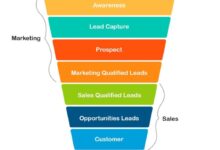
What Is Lead Generation and Why It Matters

Lead generation is the strategic process of attracting and converting prospects into individuals who have shown interest in your product or service. This foundational step in the sales funnel determines how effectively a business can scale and maintain long-term revenue growth.
Defining a Lead in Modern Marketing
A lead is more than just a name and email. It’s someone who has engaged with your brand—whether by downloading a guide, signing up for a webinar, or requesting a demo. According to HubSpot, companies that excel at lead generation grow 2.5x faster than their peers (HubSpot, 2023).
- A lead shows intent to learn more about your offering.
- Leads can be categorized as marketing-qualified (MQL) or sales-qualified (SQL).
- Not all leads are equal—quality trumps quantity every time.
The Role of Lead Generation in Business Growth
Without a steady stream of leads, even the best products can fail. Lead generation fuels pipelines, supports sales teams, and provides valuable customer insights. It’s the bridge between marketing efforts and revenue outcomes.
“Lead generation isn’t a tactic—it’s the backbone of sustainable business growth.” — Neil Patel, Digital Marketing Expert
7 Powerful Lead Generation Strategies That Work in 2024
With countless tactics available, it’s crucial to focus on strategies proven to deliver results. Below are seven high-impact lead generation methods backed by data and real-world success.
1. Content Marketing with Gated Offers
Content remains king, but strategic content is emperor. By creating high-value resources like eBooks, whitepapers, or toolkits and gating them behind a form, you incentivize visitors to share their contact information.
- Top-performing content includes industry reports, checklists, and templates.
- Use SEO-optimized landing pages to attract organic traffic.
- Tools like Leadpages or Unbounce help create high-converting forms.
For example, a SaaS company offering a free “Website Speed Optimization Checklist” can capture thousands of leads monthly from search traffic targeting related keywords.
2. Search Engine Optimization (SEO) for Organic Lead Capture
SEO is one of the most cost-effective long-term lead generation strategies. By ranking for high-intent keywords, you attract visitors actively searching for solutions you provide.
- Target buyer-intent keywords like “best CRM for small business” or “how to generate B2B leads”.
- Optimize on-page elements: meta descriptions, headers, internal links.
- Build backlinks from authoritative sites to boost domain authority.
A study by Backlinko found that the top three Google results receive over 50% of all clicks (Backlinko, 2023). This makes ranking strategically essential for lead generation success.
3. Paid Advertising with Precision Targeting
Paid ads—especially on platforms like Google Ads and LinkedIn—offer immediate visibility and lead volume. When combined with strong landing pages and compelling offers, they deliver rapid results.
- Use Google Search Ads for high-intent keywords.
- Leverage LinkedIn Ads for B2B lead generation with job-title and company-size targeting.
- Retarget website visitors with Facebook or Google Display Network ads.
For instance, a financial advisory firm running LinkedIn ads targeting CFOs in mid-sized tech firms can generate qualified leads at a predictable cost per acquisition (CPA).
4. Social Media Engagement and Lead Capture
Social platforms are no longer just for brand awareness. With smart lead generation tools, you can convert followers into leads directly from Facebook, Instagram, LinkedIn, or X (formerly Twitter).
- Use Facebook Lead Ads to collect info without leaving the platform.
- Host live Q&A sessions on Instagram to build trust and capture DMs.
- Share valuable snippets on LinkedIn that link to gated content.
LinkedIn reports that 80% of B2B leads come from its platform, making it a powerhouse for professional services and enterprise solutions (LinkedIn Marketing Solutions, 2023).
5. Email Marketing with Lead Nurturing Sequences
Email is still one of the highest ROI channels for lead generation. But it’s not just about sending blasts—it’s about delivering value at the right time.
- Use lead magnets to grow your email list organically.
- Set up automated drip campaigns to nurture new subscribers.
- Segment your audience based on behavior and interests for higher engagement.
According to Campaign Monitor, segmented email campaigns drive 30% more opens and 50% more clicks. This directly translates to better lead-to-customer conversion rates.
6. Webinars and Virtual Events
Webinars are a goldmine for lead generation because they attract highly engaged audiences. People who register are already interested in your topic—and possibly your solution.
- Choose topics that solve urgent industry problems.
- Promote via email, social media, and paid ads.
- Collect attendee data and follow up with personalized offers.
GoToWebinar found that 20–40% of webinar attendees convert into qualified leads, making it one of the most efficient methods for B2B lead generation.
7. Referral and Partner Programs
People trust recommendations from peers more than ads. A well-structured referral program turns your existing customers into advocates who bring in new leads.
- Offer incentives for successful referrals (discounts, credits, gifts).
- Partner with complementary businesses for co-marketing.
- Track referrals with unique links or promo codes.
Dropbox famously grew its user base by 60% in 15 months using a referral program—proof that word-of-mouth, when systematized, becomes a scalable lead generation engine.
Essential Tools for Effective Lead Generation
Executing lead generation strategies requires the right tech stack. From CRM systems to automation platforms, the tools you choose can make or break your results.
Customer Relationship Management (CRM) Systems
A CRM like Salesforce, HubSpot, or Zoho CRM helps you track, manage, and nurture leads throughout the buyer’s journey.
- Automate follow-ups and task reminders.
- Track lead sources and conversion rates.
- Integrate with email, social, and ad platforms.
According to Nucleus Research, businesses see an average $8.71 return for every $1 spent on CRM technology.
Marketing Automation Platforms
Automation tools like ActiveCampaign, Marketo, or Mailchimp allow you to deliver personalized content at scale.
- Set up behavior-triggered emails (e.g., abandoned form follow-up).
- Score leads based on engagement (clicks, downloads, page visits).
- Sync data across sales and marketing teams.
Automated workflows can reduce manual effort by up to 40%, freeing your team to focus on high-value activities.
Landing Page and Form Builders
High-converting landing pages are critical for capturing leads. Tools like Instapage, Unbounce, and ConvertKit simplify design and A/B testing.
- Create mobile-optimized, fast-loading pages.
- Test headlines, CTAs, and form lengths.
- Integrate with your CRM and email service provider.
Even a 1% increase in conversion rate can double your leads over time—making optimization non-negotiable.
How to Qualify and Score Leads Effectively
Not all leads are ready to buy. Lead qualification separates tire-kickers from serious prospects, ensuring your sales team focuses on high-potential opportunities.
Understanding MQL vs. SQL
Marketing-Qualified Leads (MQLs) have engaged with your content but may not be sales-ready. Sales-Qualified Leads (SQLs) have shown buying intent and are ready for direct outreach.
- MQLs: Downloaded a guide, attended a webinar, visited pricing page.
- SQLs: Requested a demo, contacted sales, mentioned budget and timeline.
- Clear definitions prevent misalignment between marketing and sales.
Implementing Lead Scoring Models
Lead scoring assigns points based on demographic and behavioral data. High scores indicate readiness to buy.
- Demographic factors: job title, company size, industry.
- Behavioral factors: email opens, page visits, content downloads.
- Set thresholds (e.g., 75+ points = SQL) for handoff to sales.
A well-calibrated lead scoring system can improve sales productivity by 30% and reduce lead response time significantly.
Measuring Lead Generation Success: Key Metrics to Track
You can’t improve what you don’t measure. Tracking the right KPIs ensures your lead generation efforts are delivering real business value.
Conversion Rate
This measures the percentage of visitors who become leads (e.g., fill out a form). A high conversion rate indicates effective messaging and user experience.
- Average conversion rate across industries: 2–5%.
- Optimize forms, CTAs, and landing page copy to boost performance.
- Use A/B testing to validate changes.
Cost Per Lead (CPL)
CPL tells you how much you’re spending to acquire each lead. It’s crucial for budget planning and ROI analysis.
- Calculate: Total campaign spend ÷ Number of leads generated.
- Benchmarks vary: B2B CPL averages $100–$200; B2C can be under $10.
- Lower CPL doesn’t always mean better—quality matters.
Lead-to-Customer Conversion Rate
This metric reveals how many leads actually become paying customers. It reflects the overall health of your sales funnel.
- Industry average: 5–15%.
- Improve with better qualification, nurturing, and sales follow-up.
- Track by source to identify top-performing channels.
Common Lead Generation Mistakes to Avoid
Even experienced marketers make errors that sabotage lead generation. Recognizing these pitfalls early can save time, money, and missed opportunities.
Targeting the Wrong Audience
Creating content or ads for everyone means resonating with no one. Without a clear buyer persona, your messaging lacks relevance.
- Conduct customer interviews to understand pain points.
- Use analytics to identify high-value visitor segments.
- Refine targeting on ads and content distribution.
Ignoring Lead Nurturing
Only 2% of leads convert on first contact. The rest need nurturing through email, content, and engagement.
- Build drip campaigns that educate and build trust.
- Use dynamic content based on user behavior.
- Don’t let leads go cold—follow up within 5 minutes if possible.
Poor Follow-Up and Sales Handoff
When marketing passes a lead to sales but there’s no timely follow-up, the opportunity dies. Alignment between teams is critical.
- Establish SLAs (Service Level Agreements) for response time.
- Use shared dashboards to track lead status.
- Hold regular marketing-sales sync meetings.
Future Trends in Lead Generation
The lead generation landscape is evolving rapidly due to AI, privacy changes, and shifting consumer behavior. Staying ahead requires adaptability and foresight.
Artificial Intelligence and Predictive Lead Scoring
AI-powered tools can analyze vast datasets to predict which leads are most likely to convert—before they even fill out a form.
- Platforms like Drift and HubSpot use AI to personalize outreach.
- Predictive scoring improves accuracy over manual models.
- Chatbots qualify leads 24/7 using natural language processing.
Privacy-First Lead Generation
With cookie deprecation and GDPR/CCPA regulations, tracking is becoming harder. The future lies in first-party data and consent-based marketing.
- Focus on value exchange: offer something meaningful for contact info.
- Build email lists organically through content and incentives.
- Use zero-party data (information willingly shared by users).
Interactive Content for Higher Engagement
Quizzes, calculators, and assessments are more engaging than static content and generate richer data.
- A mortgage lender’s “Affordability Calculator” captures budget and income.
- A fitness brand’s “Body Type Quiz” collects preferences and goals.
- Interactive tools boost time-on-site and conversion rates.
What is lead generation?
Lead generation is the process of attracting and converting individuals who are interested in your product or service into potential customers. It involves capturing contact information through various marketing strategies like content offers, ads, and events.
What are the best lead generation strategies in 2024?
The most effective strategies include content marketing with gated offers, SEO, paid advertising, social media lead ads, email nurturing, webinars, and referral programs. The best approach combines multiple channels tailored to your audience.
How do you qualify a lead?
Leads are qualified based on demographic fit (job title, company size) and behavioral signals (content downloads, website visits). Marketing-qualified leads (MQLs) become sales-qualified (SQLs) after showing buying intent.
What tools are essential for lead generation?
Essential tools include CRM systems (HubSpot, Salesforce), marketing automation (ActiveCampaign, Marketo), landing page builders (Unbounce, Instapage), and analytics platforms (Google Analytics, Hotjar).
How do you measure lead generation success?
Track key metrics like conversion rate, cost per lead (CPL), lead-to-customer rate, and ROI. Use dashboards to monitor performance by channel and optimize based on data.
Lead generation is not a one-time campaign but an ongoing strategy that fuels business growth. From crafting compelling content to leveraging AI and automation, the most successful companies treat lead generation as a science—not a guessing game. By focusing on quality over quantity, aligning sales and marketing, and adapting to emerging trends, you can build a predictable, scalable pipeline that drives real revenue. The future belongs to those who generate leads intelligently, ethically, and consistently.
Further Reading:
